Biography
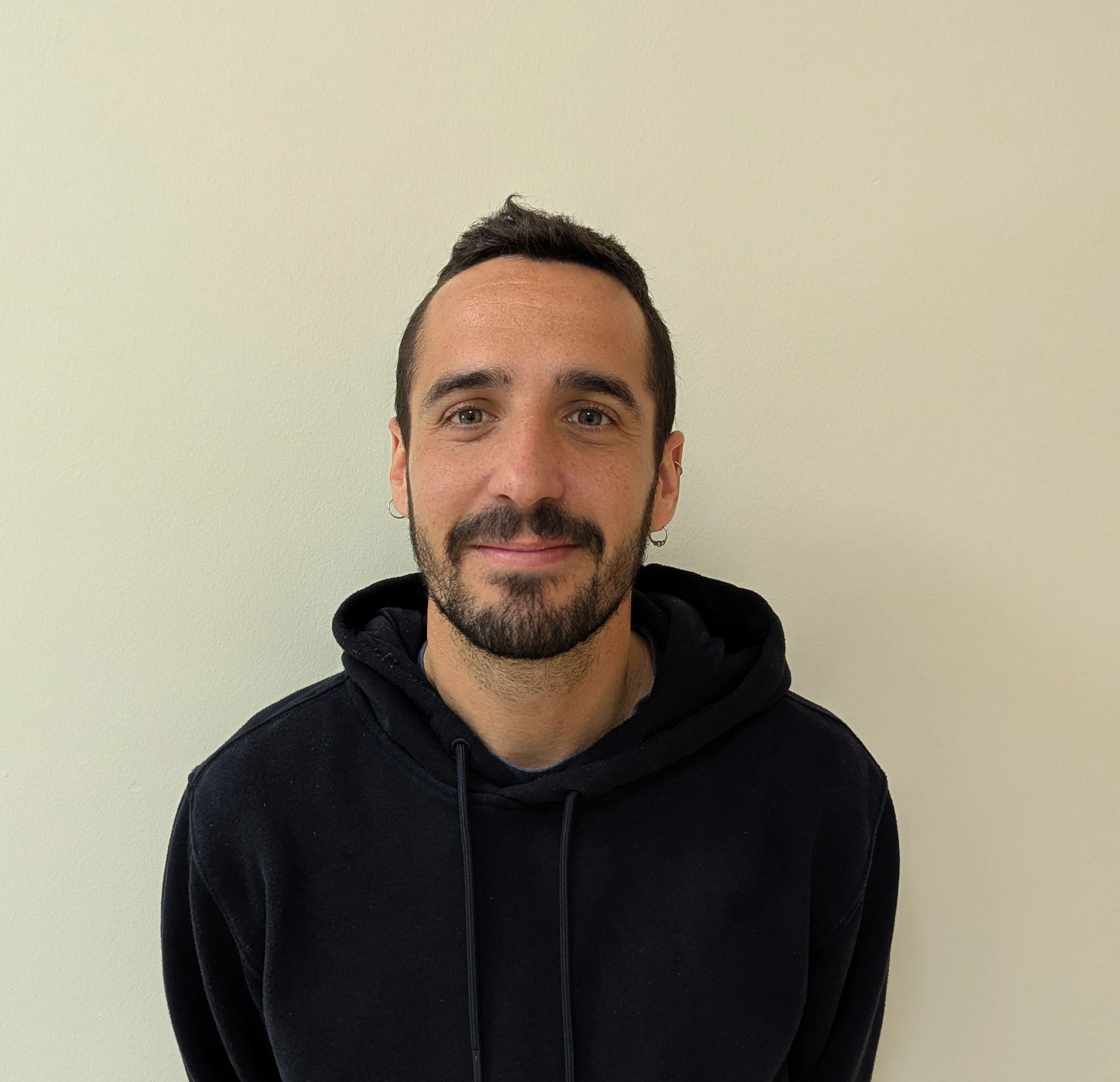
Dr Juan Alday is a Postdoctoral Fellow at Instituto de Astrofísica de Andalucía (IAA-CSIC) funded through the La Caixa Junior Leader Fellowships. His research specialises in the investigation of the atmospheres of Mars and Venus via the analysis of measurements from space missions and ground-based telescopes, as well as through the development of numerical models.
He earned a Master’s degree in Electrophysics at KTH Royal Institute of Technology in Sweden where he investigated the hydrogen corona of the Jupiter’s Galilean Moons using ultraviolet observations from the Hubble Space Telescope, work by which he was awarded the Best Degree Thesis Prize by the KTH Space Center. He later pursued his PhD in Planetary Physics at the University of Oxford in the United Kingdom, where he investigated the isotopic composition of the atmosphere of Mars using observations from the Atmospheric Chemistry Suite onboard the ExoMars Trace Gas Orbiter, work by which he was awarded the Keith Runcorn Thesis Prize in 2021 by the Royal Astronomical Society. Since then, he worked as a postdoctoral researcher at the University of Oxford, The Open University, the University of Tokyo and Instituto de Astrofísica de Andalucía investigating the dust and chemical cycles in the atmosphere of Mars, with a special focus on how they affect its isotopic composition. Additionally, he has led observing campaigns using the NASA Infrared Telescope Facility to map the composition of the atmospheres of Mars and Venus, as well as contributed to the design of instrumentation for ESA’s LightShip concept mission.
Education
DPhil in Atmospheric, Oceanic and Planetary Physics
University of Oxford, United Kingdom
2021
Master’s Degree in Electrophysics
KTH Royal Institute of Technology, Sweden
2017
Bachelor’s Degree in Energy Engineering
Universidad Politécnica de Madrid, Spain
2015
Research Interests
- Isotopic composition of Mars’ atmosphere.
- Escape of Mars’ atmosphere to space.
- Evolution of the Martian atmosphere.
- Composition of the exosphere of the Galilean Moons.
